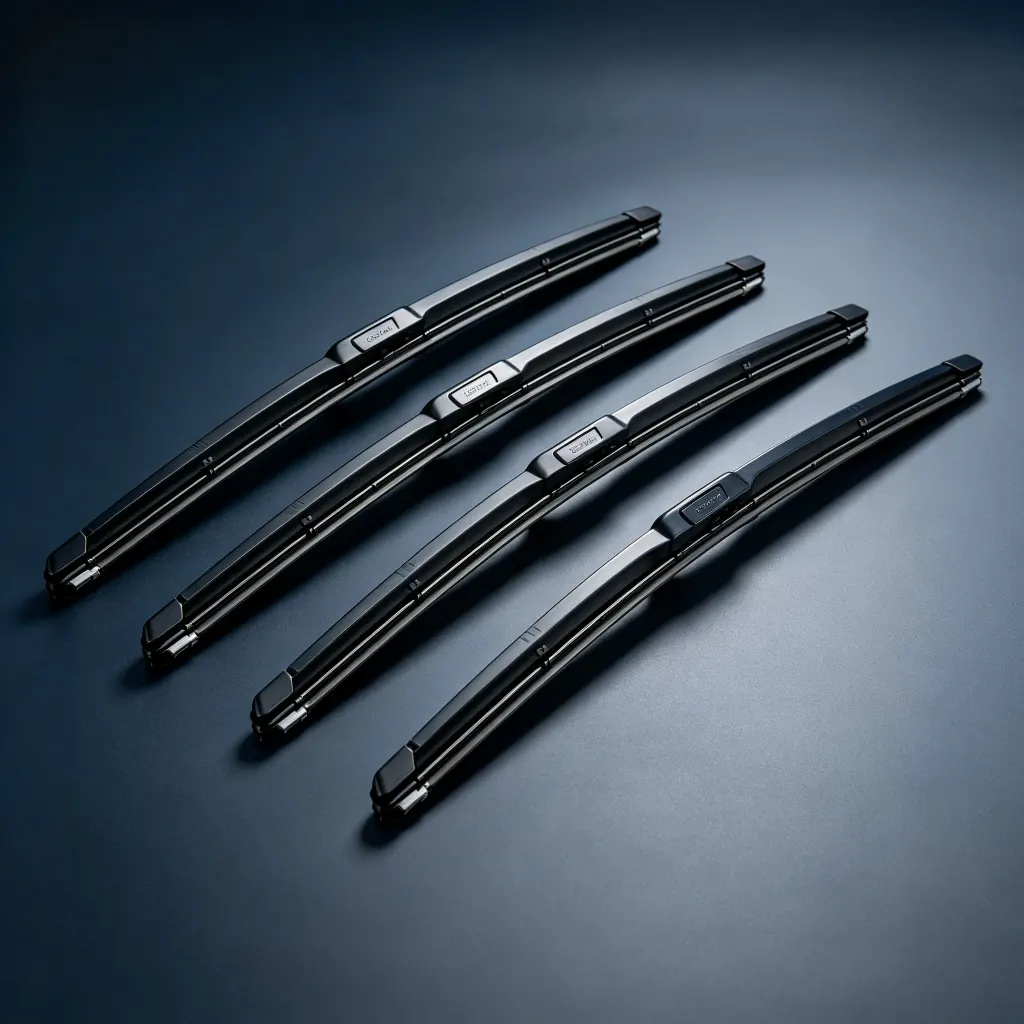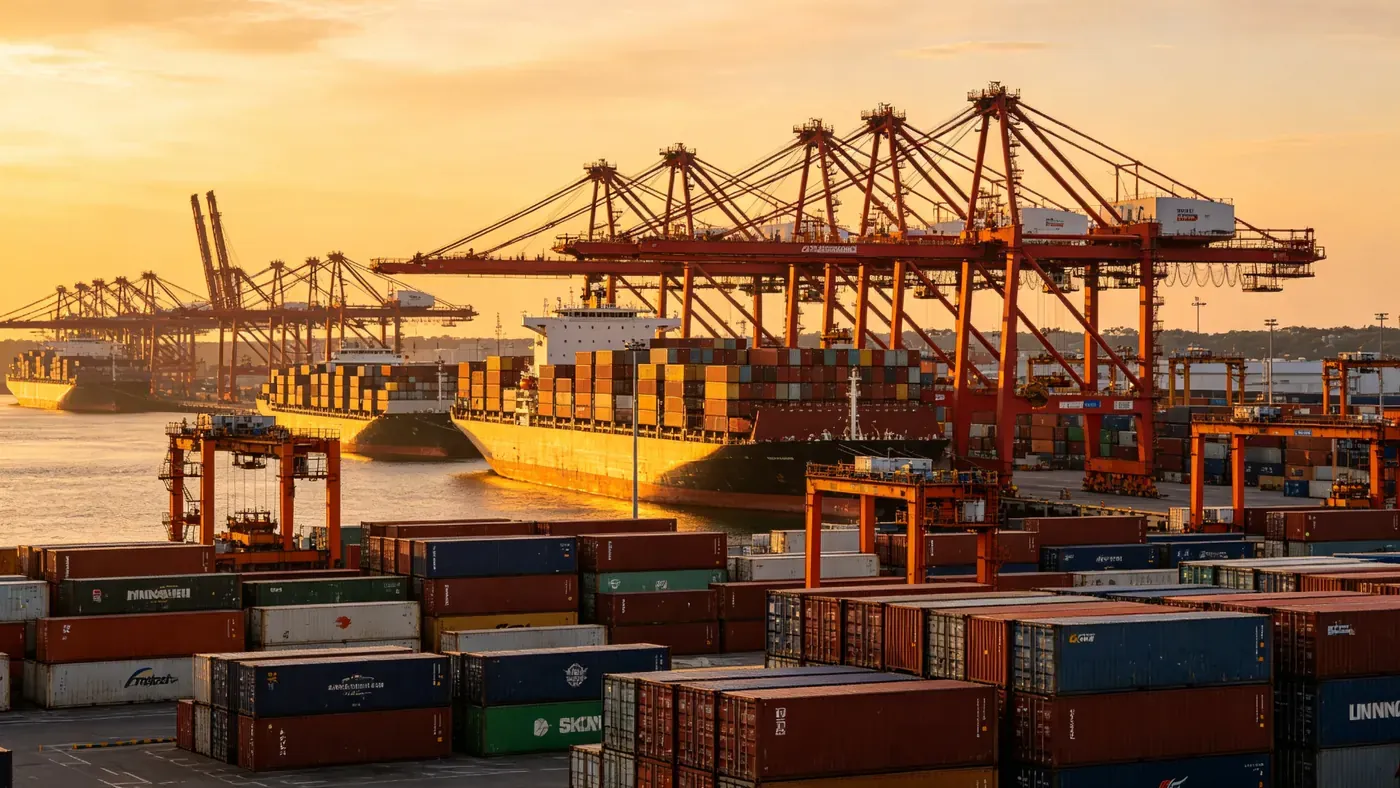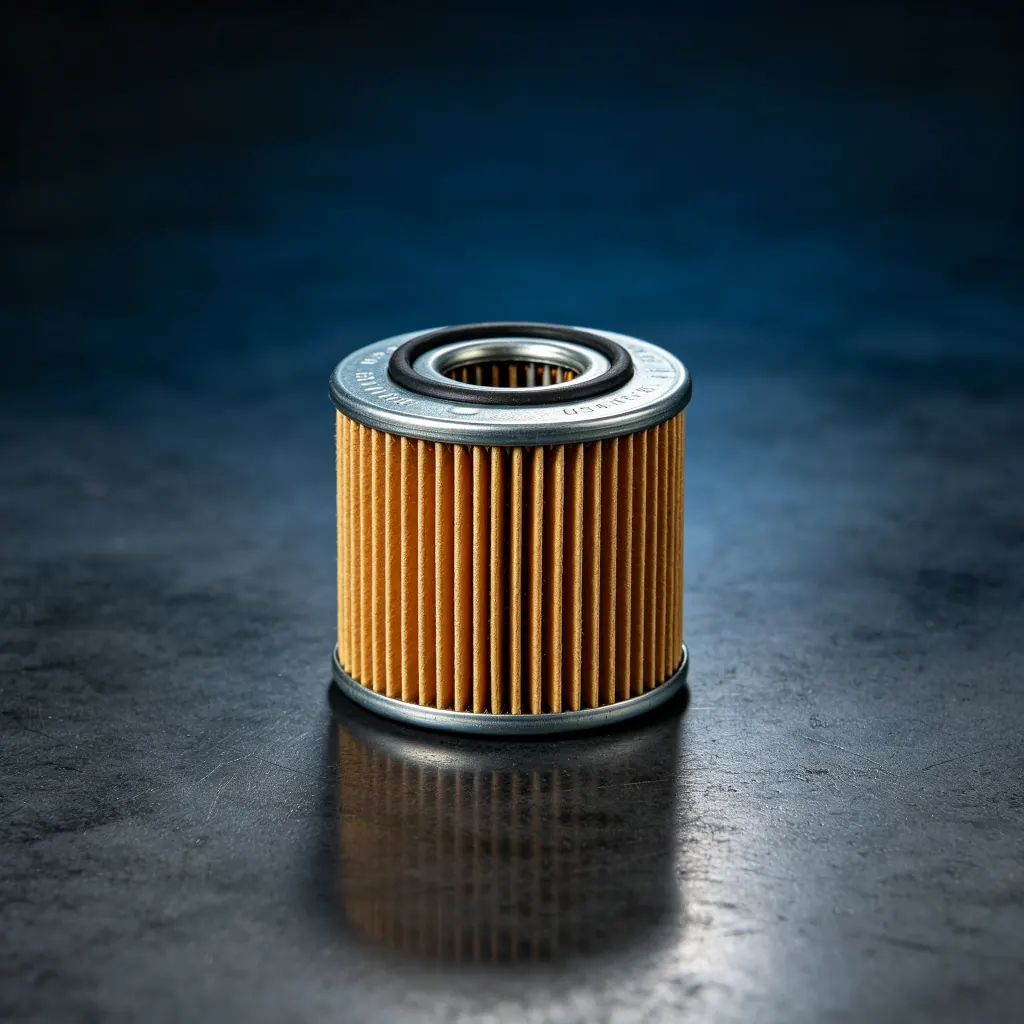
Comparing supplier quotations is only honest when the trade terms match. An EXW price will always beat a CIF price on paper - until the buyer discovers that pickup, export clearance, origin port charges and freight eat the difference twice over. This guide explains the three terms most auto parts buyers meet - EXW, FOB and CIF - in plain language: who pays for what, where risk actually transfers, and which one suits a first container of wiper blades and filters.
The Three Terms in One Minute
- EXW (Ex Works) - the buyer does everything: pickup at the factory, export clearance, trucking, port charges, ocean freight, insurance and import clearance. The seller's job ends at the factory gate.
- FOB (Free On Board) - the seller delivers the goods, cleared for export, onto the vessel at the origin port. From that moment, freight, insurance and destination costs belong to the buyer.
- CIF (Cost, Insurance and Freight) - the seller also pays ocean freight and minimum insurance to the destination port. Important: risk still transfers when the goods are loaded at origin - CIF changes who pays, not who carries the risk.
EXW: Maximum Control, Maximum Work
EXW makes sense when you have your own forwarder in China and consolidated volumes across several suppliers - then you control every leg and can bundle pickups. For a first order it is usually the wrong choice: you pay retail rates for trucking and origin charges, and any delay at pickup becomes your problem, not the supplier's.
FOB: The Default for Containerized Auto Parts
FOB is the industry default for good reason. The exporter handles export packaging, customs clearance in China and delivery to the port - tasks where their contracted forwarder rates beat anything a buyer can arrange from abroad. You choose the shipping line or let your forwarder book space, you control the insurance, and the cost split is clean: seller to the ship's rail, buyer from there. When comparing FOB quotes, insist on identical specs and paper grade so the comparison is real.
CIF: Convenience With Caveats
CIF appeals to buyers who want one number up to the destination port. It works - but check two details. First, the insurance is the minimum cover under the terms; for auto parts in ocean transit you may want to upgrade it on your side. Second, the seller chooses the carrier and route, which can mean slower transit or transshipment. If you need a container in Jebel Ali by a fixed date, FOB with your own booking gives you the schedule control.
The Costs Buyers Forget
- Destination port charges: terminal handling, documentation, deconsolidation
- Customs clearance and duties in your market - duties on filters and wiper blades vary widely by country
- Inland trucking from port to warehouse, often the largest single line after ocean freight
- Demurrage and detention if documents or pickup are delayed - the clock runs on container time
- Moisture protection: containers at sea breathe, and paper-media filters need inner liners
Which Term We Recommend
For first orders we quote FOB Qingdao or Tianjin: it keeps the cost structure transparent, lets your forwarder control the ocean leg, and matches how most distributors in Southeast Asia, the Middle East, Latin America and Europe already operate. Lead time is 25-30 days after the 30% T/T deposit, with the balance against the B/L copy, and a 12-month warranty on all products. Once volumes stabilize, many clients move mixed containers (wiper blades plus filters) on CIF for the simplicity - with insurance upgraded to full cover.
Conclusion
Incoterms are not fine print - they decide who pays, who risks and who fixes problems when a container is late. Compare quotes on the same term, budget the destination costs above, and start with FOB until your import operation has legs. Have questions about your route? Check our FAQ or send us your inquiry - our export team replies within 24 hours.
Frequently Asked Questions
Which Incoterm looks cheapest but costs the most?
EXW. The factory price looks lowest, but you bear pickup, export clearance, origin port charges and all freight - often at worse rates than an exporter's contracted forwarder. For most first-time importers, FOB ends up cheaper in total landed cost.
Under CIF, who carries the risk during ocean transit?
You do. CIF only means the seller pays freight and minimum insurance to your port; risk transfers to the buyer when goods are loaded on the vessel at origin. Claims for damage in transit go through your insurance, not the seller.
Can you ship DDP so I only pay on arrival?
We can arrange DDP through our freight partners for established markets, but for a first order we recommend FOB: you keep control of clearance and duty planning, and the cost structure stays transparent.
What are your standard trade terms?
FOB Qingdao or Tianjin, T/T with 30% deposit and the balance against the B/L copy, lead time 25-30 days after deposit, and a 12-month warranty on all products.