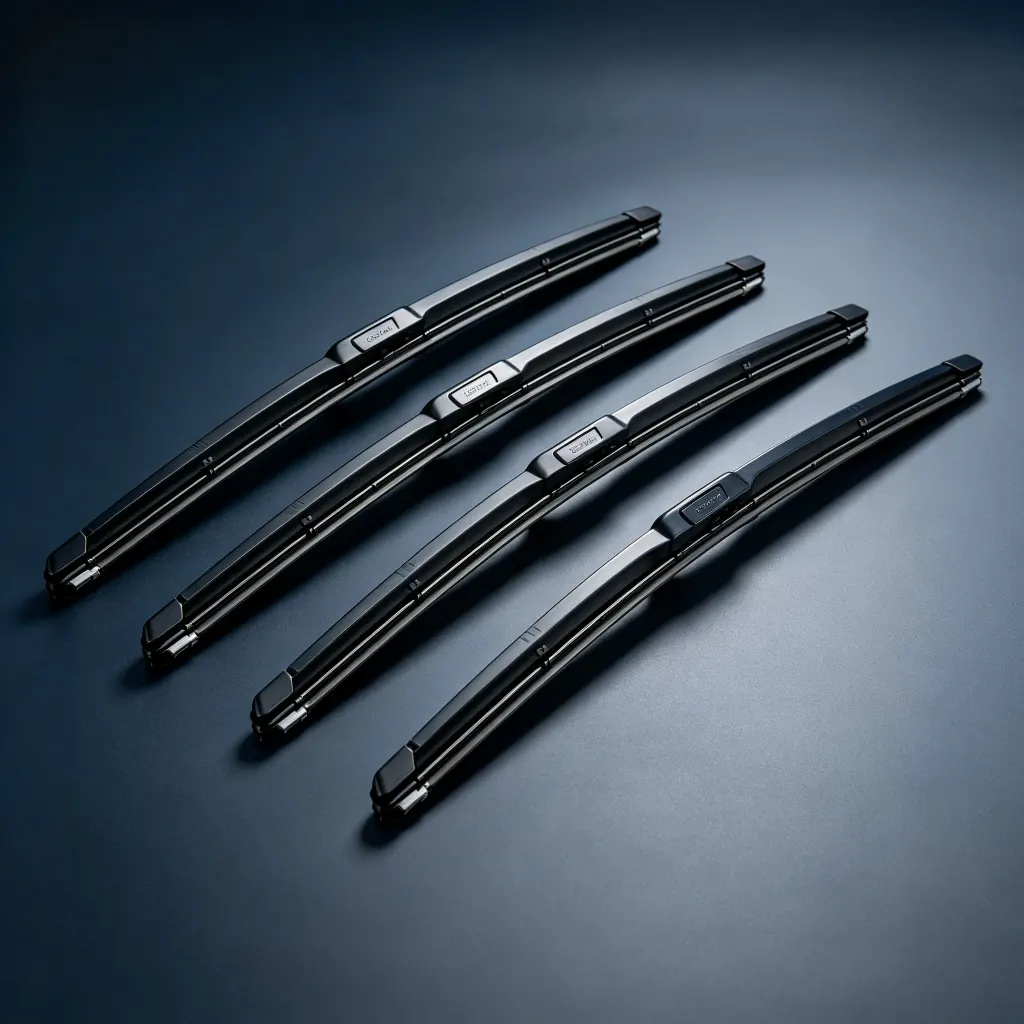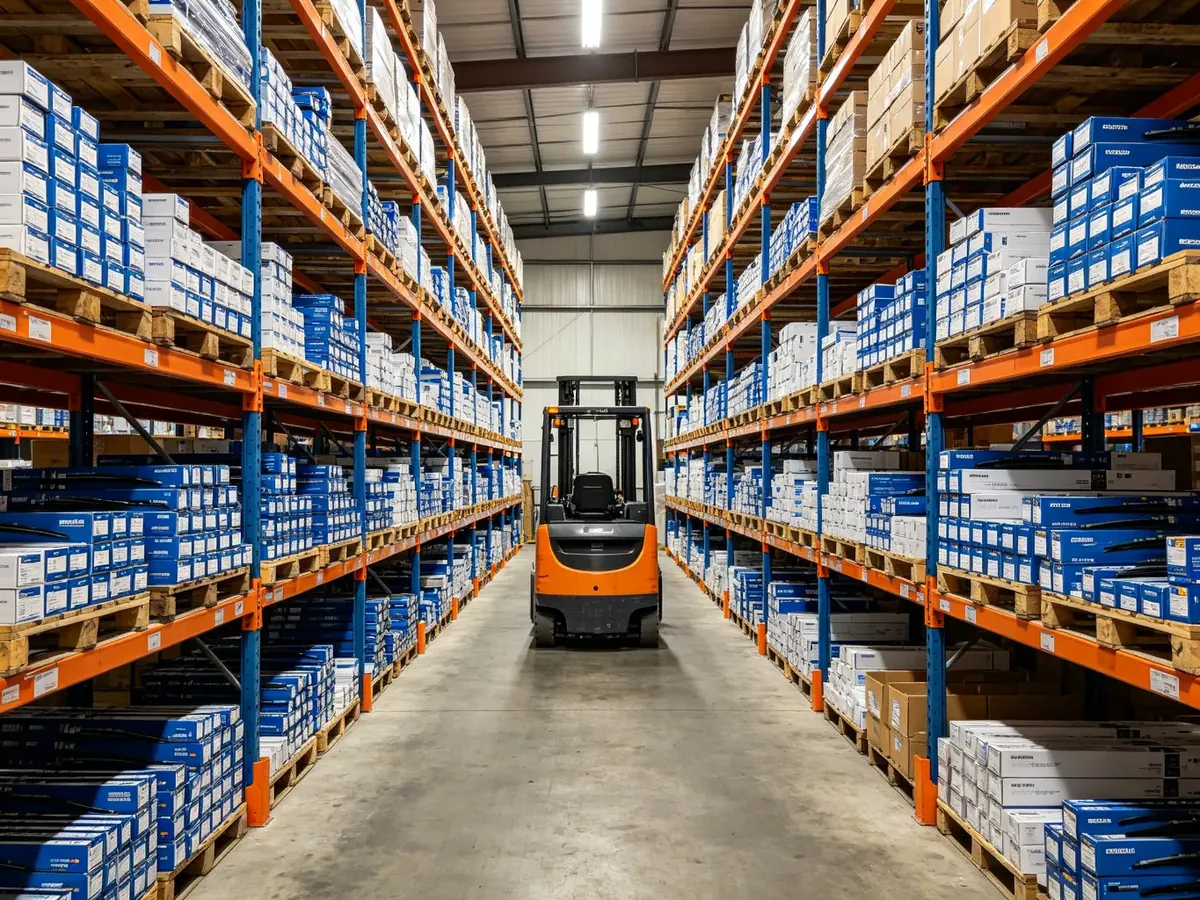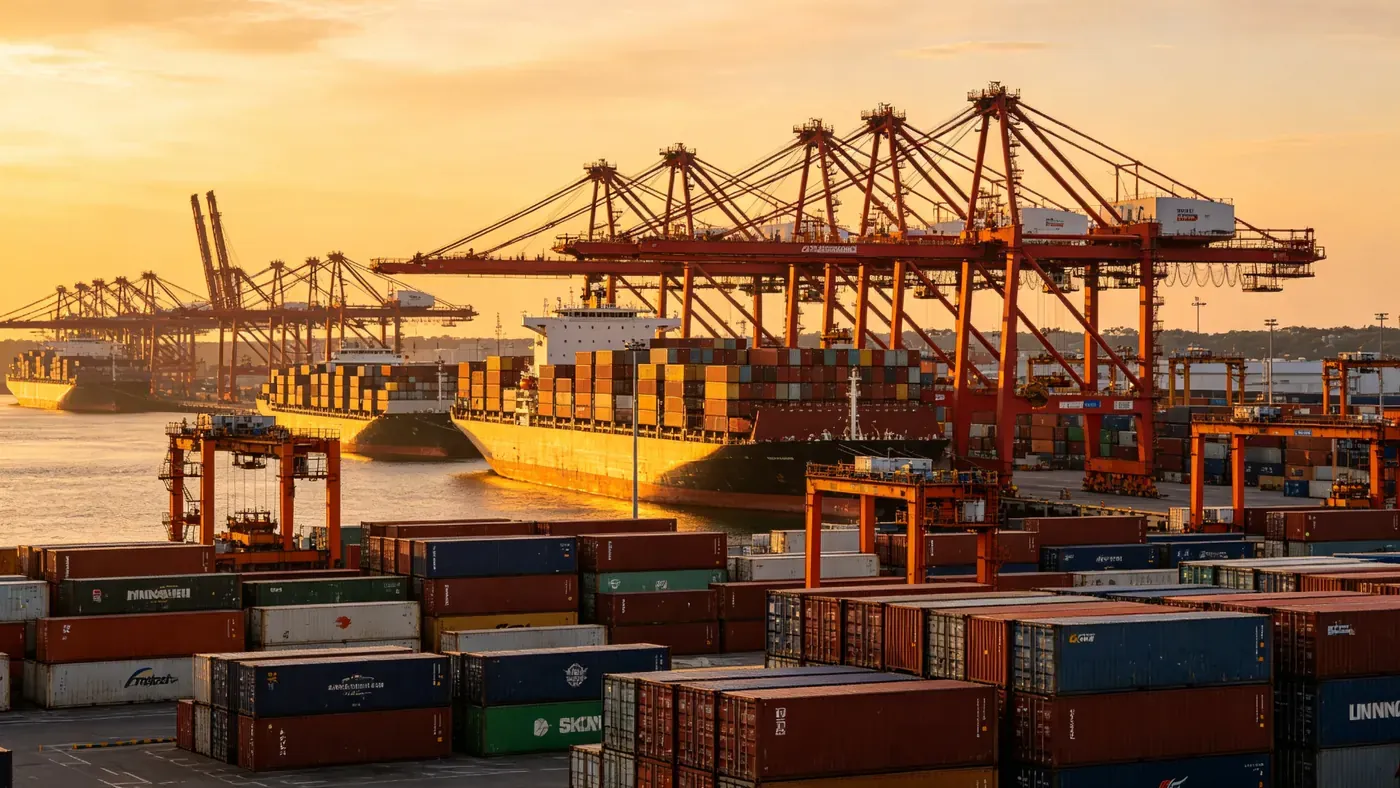
The Middle East — particularly the GCC countries of UAE, Saudi Arabia, Kuwait, Qatar, Oman, and Bahrain — represents one of the world's most lucrative auto parts import markets. With vehicle parc growing at 4-6% annually and an aging fleet requiring constant maintenance, demand for aftermarket wiper blades and filters remains strong. However, navigating the region's customs procedures and logistics infrastructure requires careful planning.
Understanding the GCC Customs Union
The Gulf Cooperation Council (GCC) operates a customs union, meaning goods imported into any GCC country can circulate freely among member states after paying the common external tariff of 5% on most auto parts. This makes UAE (particularly Jebel Ali Port in Dubai) the preferred entry point for distributors serving multiple Gulf markets.
- Common external tariff: 5% for most auto parts (HS Chapter 8708)
- Free movement: Goods cleared in one GCC state move duty-free to others
- Documentation: Certificate of Origin, Commercial Invoice, Packing List, Bill of Lading
Key HS Codes for Auto Parts
Correct HS code classification is critical to avoid customs delays and penalties. The primary codes for our product range:
- 8708.95 — Windshield wipers and defrosters (includes wiper blades and arms)
- 8421.31 — Air filters for internal combustion engines (engine air filters)
- 8421.23 — Filtering/purifying machinery for gases (cabin air filters may fall here depending on classification)
- 8421.29 — Other filtering/purifying machinery (oil filters, certain specialty filters)
Tip: Always verify HS code classification with your freight forwarder before shipment. Misclassification can lead to customs holds, fines, or retroactive duty assessments.
UAE (Dubai) — The Regional Hub
Dubai's Jebel Ali Port (JAFZA) is the largest man-made harbor in the world and the primary entry point for auto parts destined for the Gulf, East Africa, and South Asia. Key advantages:
- Free zone options: JAFZA free zone allows 100% foreign ownership and zero corporate tax
- Transshipment: Efficient connections to Saudi Arabia (by road), Kuwait, Qatar, and Oman
- Dubai Auto Parts Market: Deira and Sharjah have established auto parts souks with thousands of traders
- Typical transit from China: 18-25 days by sea (Shanghai/Ningbo → Jebel Ali)
Saudi Arabia — Largest Market
Saudi Arabia is the largest auto parts market in the Middle East, driven by a vehicle parc of over 15 million units. Direct shipping to Dammam or Jeddah is common for large distributors.
- Main ports: Dammam (King Abdulaziz Port), Jeddah Islamic Port
- SABER certification: Some auto parts may require SABER (Saudi Product Safety Program) registration. Check current requirements with your importer
- Road transit from UAE: 12-18 hours Dubai → Riyadh via the causeway and highway
- Typical transit from China: 22-30 days by sea to Dammam
Kuwait, Qatar, Bahrain & Oman
These smaller markets are typically served via UAE transshipment or direct calls:
- Kuwait: Shuwaikh Port, most goods arrive via Jebel Ali feeder service
- Qatar: Hamad Port, direct calls from China increasing since 2020
- Bahrain: Khalifa Bin Salman Port, connected to Saudi via causeway
- Oman: Sohar Port, growing as an alternative transshipment hub
Required Documentation Checklist
- Commercial Invoice: Detailed with unit prices, Incoterms (typically CIF or FOB)
- Packing List: Carton quantities, gross/net weights, dimensions
- Bill of Lading (B/L): Original or telex release
- Certificate of Origin: Issued by CCPIT (China Council for Promotion of International Trade)
- Insurance Certificate: If shipping CIF
- Product Certificates: ISO 9001, IATF 16949, CE where applicable
Packaging for Gulf Climate
Shipping through tropical and desert environments requires robust packaging:
- Cartons: 5-ply corrugated with moisture-resistant coating for ocean transit
- Pallets: Heat-treated (ISPM-15 compliant) wooden or plastic pallets
- Inner packaging: Vacuum-sealed bags for rubber products (wiper blades) to prevent humidity degradation
- Container loading: Use desiccants in containers for 30+ day transits
Payment Terms in the Region
BAIKUAN AUTO supports T/T (Telegraphic Transfer) for all Middle East orders. Typical terms: 30% deposit, 70% balance before shipment. For established customers with a track record, we can discuss more flexible arrangements.
Conclusion
Successfully shipping auto parts to the Middle East requires understanding the GCC customs union, correct HS classification, and choosing the right entry port. For most distributors, shipping to Dubai's Jebel Ali and distributing regionally offers the best balance of cost and flexibility. Working with an experienced supplier like BAIKUAN AUTO — who handles documentation, packaging, and logistics coordination — ensures smooth customs clearance and on-time delivery.
Have questions about shipping to a specific Gulf country? Contact our export team for personalized logistics advice.
Frequently Asked Questions
What is the import duty on auto parts into GCC countries?
The GCC common external tariff is 5% on most auto parts under HS Chapter 8708, and goods cleared in one member state then move duty-free to the others.
Which HS codes apply to wiper blades and filters?
8708.95 covers windshield wipers, 8421.31 engine air filters, 8421.23 cabin air filters depending on classification, and 8421.29 oil filters and other filtering machinery.
What payment terms does BAIKUAN AUTO offer in the region?
T/T with 30% deposit and 70% balance before shipment, with more flexible arrangements possible for established customers with a track record.