HomeProductsBlogAbout UsFactoryContactGet a Quote
Cabin Comfort

Premium Cabin Air Filters

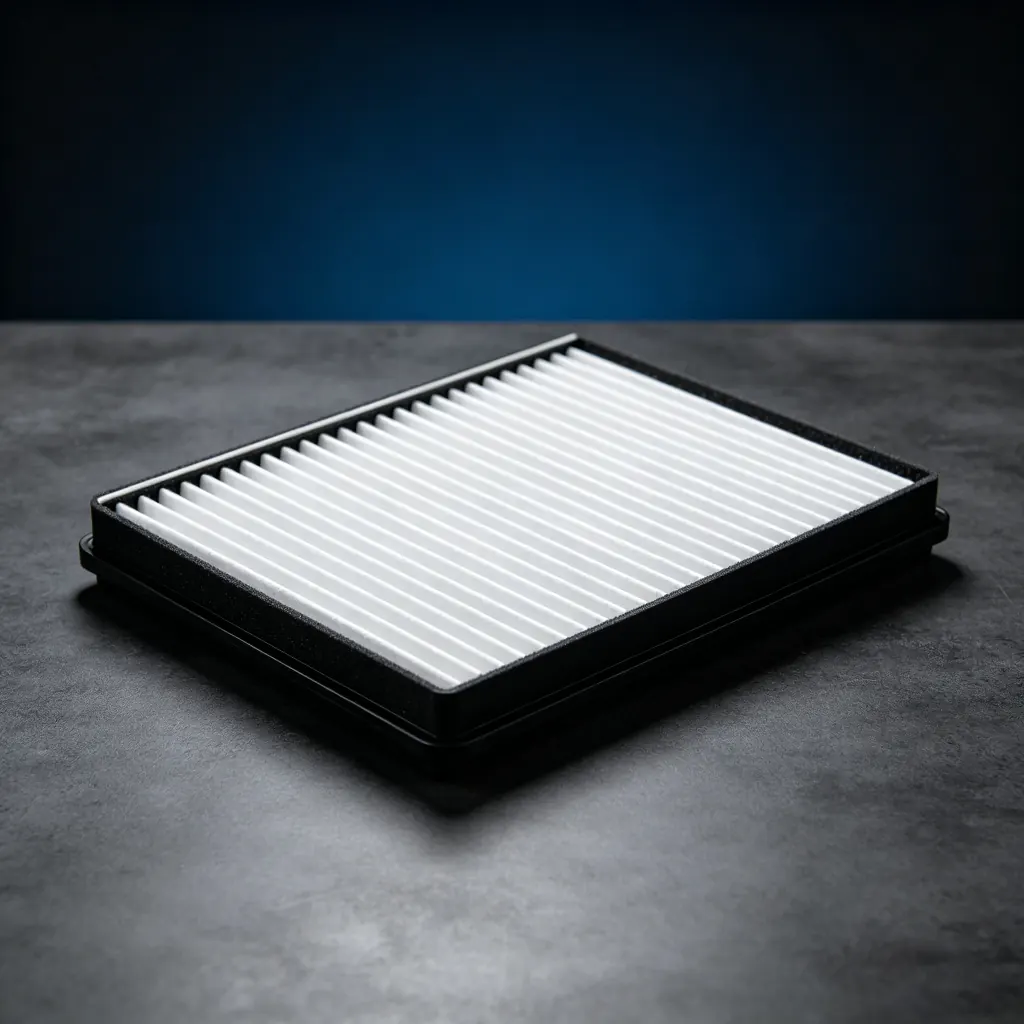
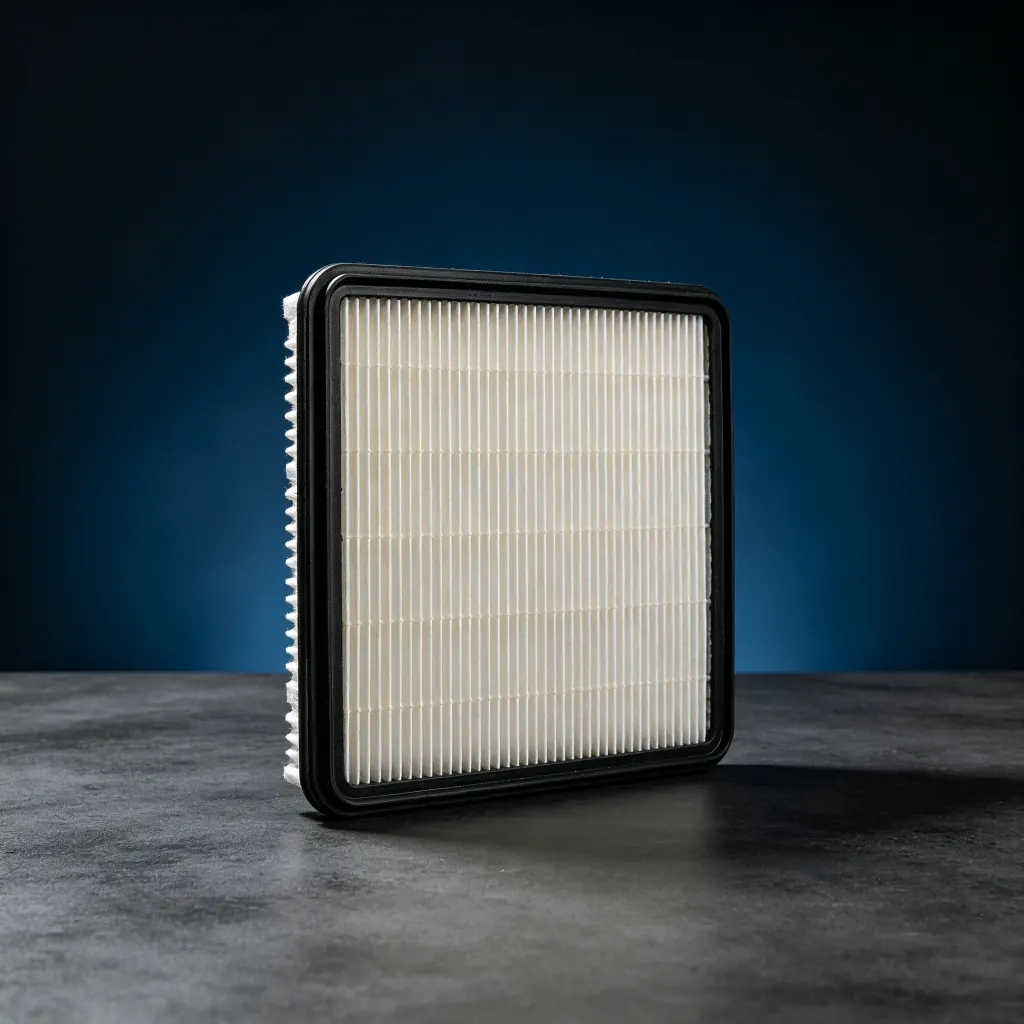
High-efficiency cabin air filters with particle, activated carbon and anti-bacterial options. Protects passengers from PM2.5, pollen, dust, odors and harmful gases for a healthy cabin environment. Our activated carbon cabin air filters use granular carbon layers for maximum odor and gas adsorption.

PM2.5 Protection
Activated Carbon
Anti-Bacterial
MOQ: 500 pcs

Technical Specifications

ParameterSpecification
Filter TypesParticle (white) / Activated Carbon (black) / Anti-bacterial / Bio-functional
Filtration MediaMelt-blown non-woven / Electrostatic paper / Activated carbon impregnated
Particle Efficiency≥95% at 0.3 micron (PM2.5 rated)
Pollen Filtration≥99% pollen removal
Odor / Gas AdsorptionActivated carbon: removes NOx, SO2, VOCs, exhaust odors
Anti-Bacterial Rate≥99% (E. coli, Staphylococcus aureus) - optional
Frame MaterialPP plastic / Non-woven fabric edge / Foam gasket
Air Flow Resistance≤80 Pa at rated airflow
Service Interval10,000 - 20,000 km or 12 months
CertificationsIATF 16949, ISO 9001, CE, RoHS

Key Features & Benefits

PM2.5 Protection

Electrostatic melt-blown media captures 95% of 0.3 micron particles including PM2.5, dust and fine pollutants.

Activated Carbon Layer

High-grade activated carbon adsorbs harmful gases (NOx, SO2, VOCs) and eliminates exhaust odors for fresh cabin air.

Anti-Bacterial Treatment

Optional anti-bacterial coating inhibits 99% of bacteria and mold growth, protecting allergy sufferers and children.

Low Flow Resistance

Optimized pleat design ensures maximum filtration area while maintaining low pressure drop for efficient HVAC performance.

Custom Packaging

Color boxes with your brand, blister packs or neutral packaging. Full private label and OEM printing available.

Wide Coverage

Covers 98% of passenger vehicles on the road. Cross-reference for Toyota, Honda, Nissan, Hyundai, VW, BMW and all major brands.

Compatible Vehicle Brands

ToyotaHondaNissan HyundaiKiaMitsubishi SuzukiMazdaSubaru VolkswagenBMWMercedes-Benz AudiFordChevrolet PeugeotRenaultFiat

OEM & Private Label Service

Alongside the BAIKUAN AUTO line, we run private-label cabin filter programmes for distributors and brands in 60+ countries. Here is how a typical OEM order runs, from first inquiry to container on the water:

1. Share Your Requirements

Send us your target models or sizes, packaging design and logo artwork. Our sales engineers reply with a formal quotation within 24 hours.

2. Sample Confirmation

Pre-production samples are ready in 7-10 days. Samples are free - you only cover the freight, so you can test quality before committing.

3. Mass Production

Standard lead time is 25-30 days depending on order quantity, with inline inspection and a final pre-shipment check on every order.

4. Packing & Shipping

Export cartons, container loading photos and full B/L documentation, shipped from Qingdao or Tianjin port to your nearest destination.

Sourcing Cabin Filters from China: Buyer's Guide

Cabin filter demand is growing fastest in cities with heavy dust and traffic pollution. Two media types dominate: particle filters that capture dust and pollen, and activated-carbon filters that also absorb odors and harmful gases - the carbon version typically sells at a 20-40% premium with strong margins for distributors. In PM2.5-conscious markets such as Southeast Asia and the Gulf, we recommend stocking both types: carbon for premium retail channels, particle for budget lines. All our cabin filters use melt-blown pre-filter layers and electrostatic media for consistent efficiency across the full service interval.

MOQ & Pricing

MOQ is 500 pcs per model. Particle and activated-carbon versions are priced by media grade and frame type - direct FOB Qingdao/Tianjin quotes.

Fitment Coverage

Cross-reference data for popular sedan, SUV and light-truck AC systems across Toyota, Hyundai, Nissan, VW and American platforms, including high-dust Gulf and Southeast Asia markets.

Quality Control

Dust-holding capacity, initial resistance and PM2.5 filtration efficiency are tested per batch; activated-carbon adsorption is verified before packing under ISO 9001.

Packaging & Brand

Individual retail boxes with your brand, compression-resistant cartons that protect pleats in transit, and mixed-SKU loading for distributors. Terms in our FAQ.

Three Cabin Filter Media Options

Pick the media that matches your market's climate and price point. All three are produced on dedicated cabin filter lines and verified with dust-capacity and efficiency testing (dust-capacity and efficiency testers, salt-spray chamber).

MediaSpecificationBest for
White non-woven (standard)130 g/m², permeability 1,900 L/m²/s, filtration efficiency 16.9% @ 0.3 μmVolume replacement market - non-toxic, odor-free
Activated carbon cloth450 g/m² with original-imported Haycarb (Sri Lanka) Cabo activated carbonCity traffic & high-pollution markets - absorbs odors and harmful gases
PM2.5 high-efficiency3-layer (300 g/m²) or 5-layer (460-600 g/m²) composite, permeability 1,030 L/m²/sPremium retail lines - fine-particle filtration with eco-friendly, odorless edge adhesive

Need Cabin Filters for Your Market?

Get competitive export pricing, free samples and full cross-reference catalog.

Get a Quote

Related Products

Cabin Filters - Frequently Asked Questions

Which cabin filter types do you supply?

Particulate (standard), activated carbon and PM2.5 high-efficiency versions, in panel and framed formats for Asian, European and American vehicles.

What is the minimum order quantity?

The MOQ is 500 pieces per model. Models can be mixed in a single order, and we quote FOB Qingdao or Tianjin with transparent volume pricing.

Do activated carbon filters really remove odours?

Yes. The carbon layer adsorbs exhaust fumes, diesel soot and odours, while the particulate layer stops dust, pollen and fine PM2.5 particles. We can supply both versions if your market needs a two-tier range.

How often should cabin filters be replaced?

Most vehicle makers recommend replacement every 10,000-15,000 km or once a year. In dusty or high-pollution markets, twice a year is safer, so distributors usually plan two units per vehicle per year.

Do you support private label and cross-reference?

Yes. We print your logo and box artwork and supply OE cross-reference numbers so your counter staff can match filters without guesswork. Lead time is 25-30 days after deposit, with free samples in 7-10 days (freight collect).