Air pollution is one of the defining health challenges of the 21st century, particularly in rapidly urbanizing emerging markets. As cities in Southeast Asia, the Middle East, and Latin America grapple with worsening air quality, consumers are increasingly aware of the air they breathe inside their vehicles. This awareness is driving strong demand for premium cabin air filters — a high-margin product category that distributors should prioritize.
The Air Quality Crisis in Emerging Markets
According to the World Health Organization, 99% of the world's population breathes air that exceeds guideline limits. The problem is most acute in urban areas of developing economies:
- Southeast Asia: Jakarta, Bangkok, and Manila regularly experience PM2.5 levels 3-5x WHO limits, driven by traffic, construction, and seasonal agricultural burning
- Middle East: Dust storms and industrial emissions push PM10 and PM2.5 levels to extreme highs in Riyadh, Dubai, and Kuwait City
- Latin America: Mexico City, Sao Paulo, and Bogota face persistent smog from vehicle emissions and geographic basins that trap pollutants
PM2.5 particles — measuring 2.5 micrometers or smaller — are particularly dangerous because they can penetrate deep into the respiratory system and enter the bloodstream. Vehicle cabins, once thought of as safe havens, can actually have higher pollution levels than ambient air due to exhaust from surrounding vehicles being drawn in through ventilation systems.
Cabin Filter Technology Explained
Standard Particle Filters (Pollen Filters)
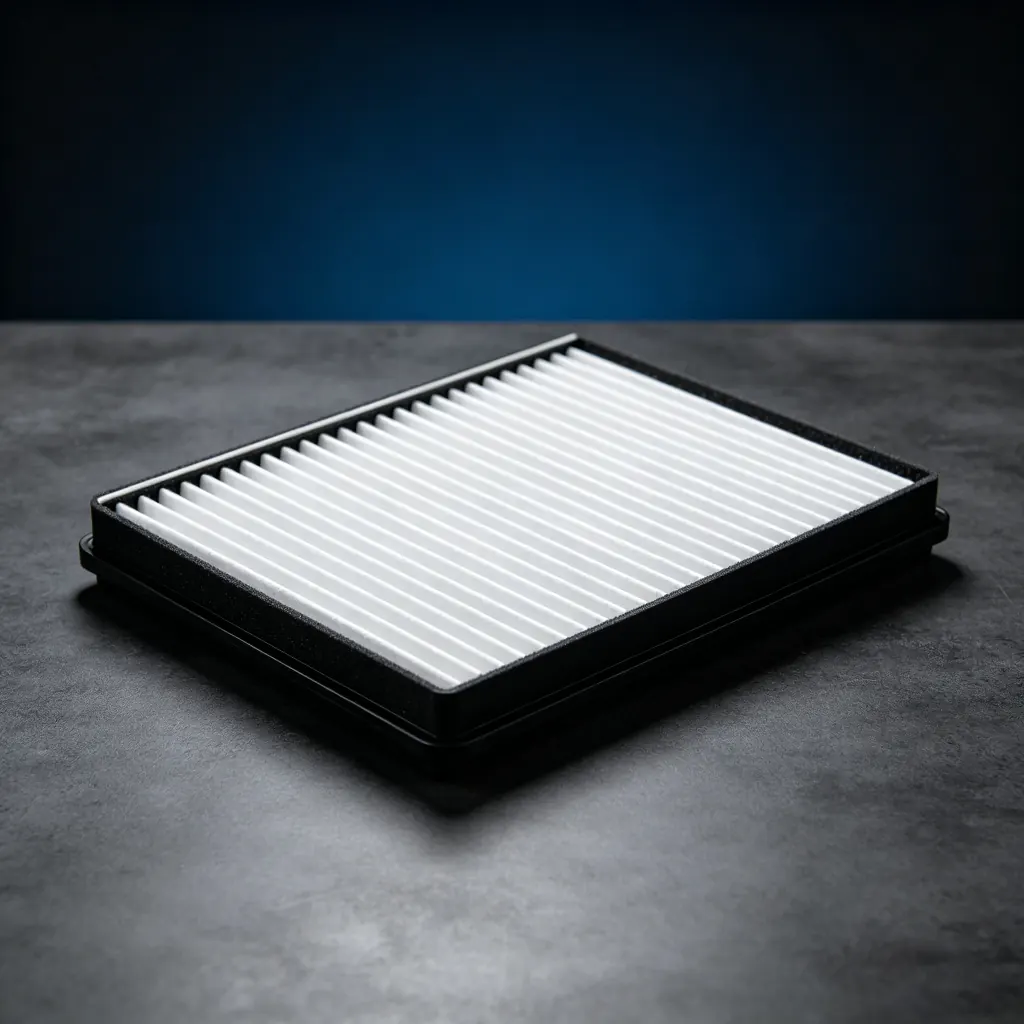
The most basic cabin filters use non-woven fabric or paper media to capture larger particles like dust, pollen, and road debris. They typically filter particles down to 10 microns but are less effective against PM2.5. These are the standard replacement parts in most vehicles.
Activated Carbon Filters
Activated carbon filters add a layer of activated charcoal impregnated into the filter media. This provides two key benefits:
- Odor absorption: Activated carbon traps volatile organic compounds (VOCs), exhaust fumes, and unpleasant smells
- Gas filtration: Captures harmful gases like ozone, nitrogen dioxide (NO2), and sulfur dioxide (SO2) — major components of urban smog
The carbon layer is typically 50-100 grams per square meter, with higher grades offering better gas adsorption capacity. BAIKUAN AUTO activated carbon filters use 80+ gsm coconut shell activated carbon for superior performance.
PM2.5 / HEPA-Grade Filters
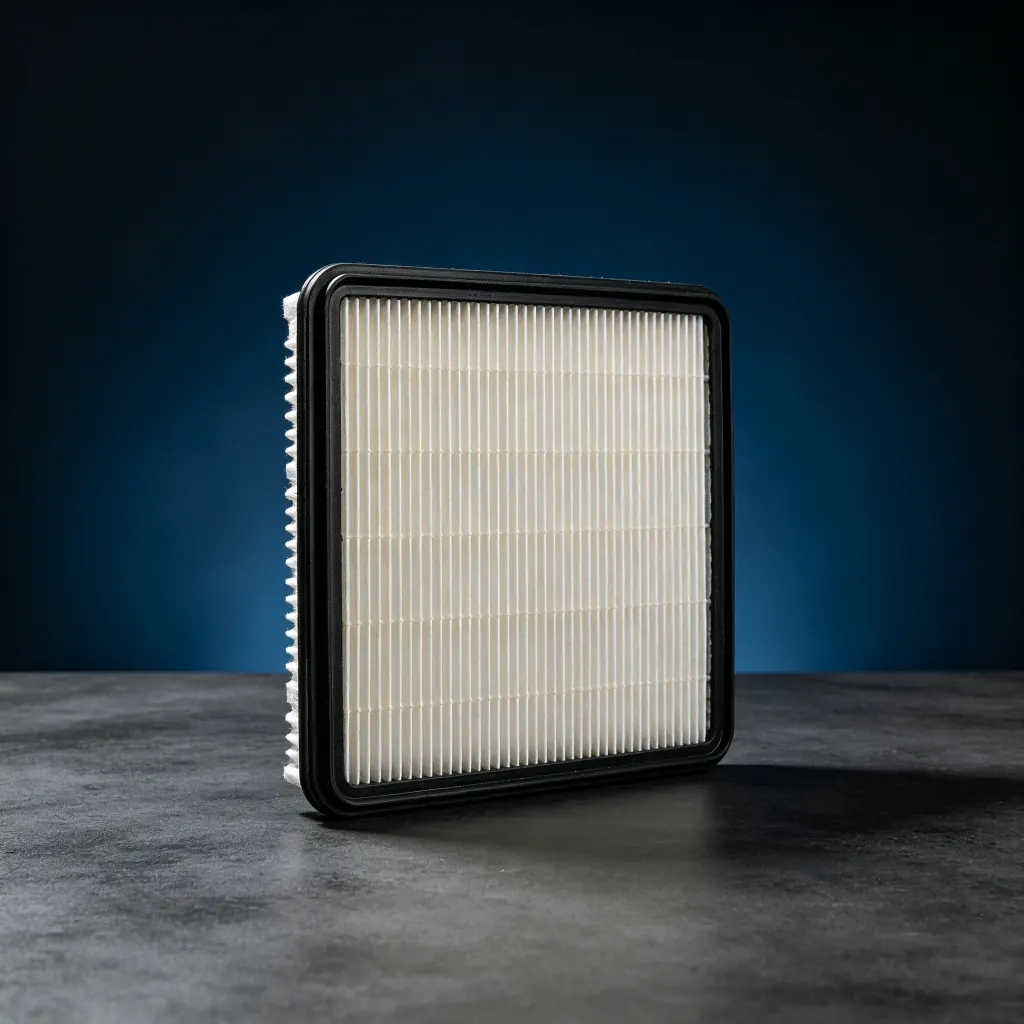
The premium tier of cabin filters uses high-efficiency particulate air (HEPA) media or electrostatically charged microfibers to capture 95%+ of PM2.5 particles. Some advanced versions combine:
- HEPA-grade media: Captures 99% of particles down to 0.3 microns
- Activated carbon layer: For gas and odor removal
- Antibacterial coating: Silver ion or polyphenol coatings inhibit bacteria and mold growth
- Formaldehyde removal: Special additives capture formaldehyde, common in new car interiors and urban environments
Market Drivers for Premium Cabin Filters
Consumer Health Awareness
Post-pandemic, consumers are significantly more aware of indoor air quality. In markets like China, Thailand, and Indonesia, "PM2.5 filter" has become a selling point for vehicles, and aftermarket upgrades are a fast-growing category.
Ride-Hailing and Fleet Demand
Uber, Grab, Careem, and DiDi drivers have strong incentives to offer clean cabin air — it directly affects passenger satisfaction and ratings. Fleet operators are bulk-buying premium cabin filters as a competitive differentiator.
Vehicle Parc Growth
As vehicle ownership rises in emerging markets, the installed base of cars requiring cabin filter replacement grows. Cabin filters are typically replaced every 15,000-20,000 km or annually, creating recurring demand.
Regulatory Push
Some markets are introducing regulations requiring cabin air filtration in new vehicles. China's GB/T standards and EU regulations are driving OEM adoption, which creates aftermarket replacement demand for equivalent filters.
How Distributors Can Capitalize
Product Tiering Strategy
Offer three tiers to capture different customer segments:
- Economy: Standard particle filters for price-sensitive customers and basic service
- Mid-range: Activated carbon filters — the sweet spot for most consumers
- Premium: PM2.5 HEPA + activated carbon + antibacterial for health-conscious buyers and fleets
Educational Marketing
Most consumers don't understand the difference between filter types. Use point-of-sale materials, social media content, and mechanic training to explain:
- What PM2.5 is and why it matters
- How activated carbon removes odors and gases
- When to replace cabin filters (visual inspection + mileage guide)
- The health benefits for children, elderly, and allergy sufferers
Cross-Selling Opportunities
Cabin filters are an ideal add-on sale during oil changes and routine maintenance. Train workshop partners to always check and recommend cabin filter replacement — it's a low-cost, high-margin item that improves customer satisfaction.
Private Label Premium Lines
Premium cabin filters are an excellent private label opportunity. The health and wellness positioning supports higher price points and brand loyalty. BAIKUAN AUTO offers full private label packaging for premium cabin filter lines.
Quality Considerations
Not all activated carbon filters are created equal. Some budget options use as little as 20 gsm carbon dust sprayed onto paper, which provides minimal gas adsorption and can shed carbon particles into the cabin. Always source from manufacturers who can provide test data for filtration efficiency and carbon content.
BAIKUAN AUTO cabin filters are tested to ISO/TS 11155-1 (road vehicle cabin air filters) standards, with verified filtration efficiency and carbon loading. We provide test reports and technical data sheets for all premium SKUs.
Conclusion
Premium cabin filters represent one of the strongest growth opportunities in the auto parts aftermarket. As air quality concerns mount across emerging markets, consumers will increasingly seek out PM2.5 and activated carbon filtration for their vehicles. Distributors who build a tiered product offering, educate their customers, and partner with quality manufacturers will be well-positioned to capture this growing demand.
Ready to add premium cabin filters to your catalog? Contact BAIKUAN AUTO for product catalogs and sample requests.
Frequently Asked Questions
What is the difference between a standard particle filter and an activated carbon filter?
Standard particle filters capture dust, pollen and road debris down to about 10 microns. Activated carbon filters add a 50-100 g/m² carbon layer that also traps VOCs, exhaust fumes, ozone, NO2 and SO2.
How often should cabin filters be replaced?
Typically every 15,000-20,000 km or once a year, which keeps demand recurring across the installed vehicle base.
What carbon loading does BAIKUAN AUTO use in its activated carbon filters?
BAIKUAN AUTO activated carbon filters use 80+ gsm coconut shell activated carbon and are tested to ISO/TS 11155-1, with test reports and technical data sheets available for all premium SKUs.